
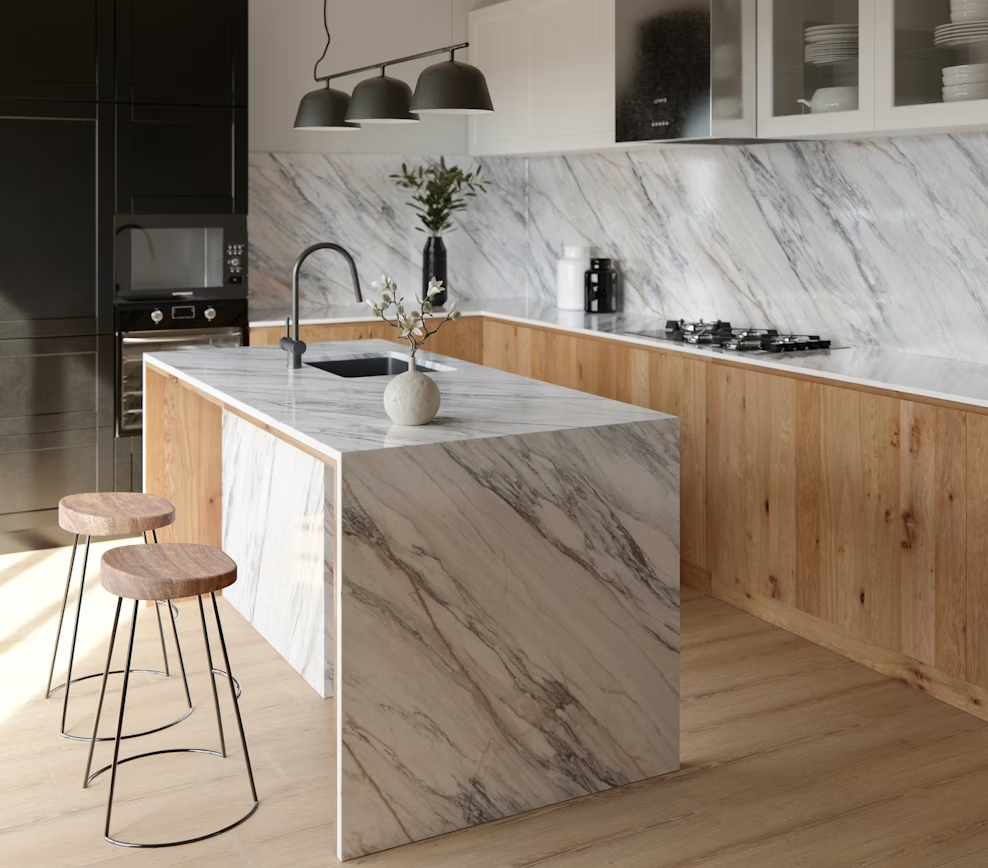
In the world of kitchen and bathroom renovations, choosing the right countertop material can make or break your space. Natural stones like granite, marble, and quartzite have long been favorites for their timeless beauty and durability, while engineered quartz offers a modern, low-maintenance alternative. But what’s the difference between these materials? How do natural stone options stack up against quartz in terms of durability, aesthetics, and upkeep?
If you’re searching for “natural stone vs. quartz countertops” or wondering which is best for your home, this guide breaks it all down. We’ll explore what each stone is, their unique characteristics, and a head-to-head comparison to help you decide. Whether you’re updating your kitchen island or bathroom vanity, let’s dive into the world of granite countertops, marble slabs, quartzite surfaces, and quartz composites.
What is Granite? The Bold and Timeless Natural Stone
Granite is one of the most popular natural stones for countertops, and for good reason—it’s a powerhouse of strength and style. Formed deep within the Earth from cooled and solidified magma, granite is an igneous rock primarily composed of quartz, feldspar, and mica crystals. This gives it a speckled, granular appearance with bold colors ranging from black and gray to vibrant reds and greens.
Key Characteristics of Granite:
- Hardness: Rates 6-7 on the Mohs scale (a measure of mineral hardness), making it highly scratch-resistant.
- Durability: Excellent heat resistance—perfect for hot pots straight from the stove.
- Aesthetics: Unique patterns in every slab, adding a luxurious, one-of-a-kind look to kitchens and baths.
Granite’s natural formation ensures no two pieces are identical, which appeals to homeowners seeking authentic, earthy elegance.
What is Marble? Elegance with a Soft Touch
If luxury and sophistication are your vibe, marble might steal your heart. This metamorphic rock starts as limestone and transforms under intense heat and pressure, resulting in its signature soft, flowing veins. Classic white Carrara marble is iconic, but options like Calacatta offer dramatic gray or gold veining against a creamy backdrop.
Key Characteristics of Marble:
- Hardness: Softer at 3-4 on the Mohs scale, so it’s more prone to etching from acidic spills like lemon juice.
- Durability: Ages beautifully with a patina that enhances its charm over time.
- Aesthetics: Timeless veining that mimics artwork—ideal for baking stations or spa-like bathrooms.
Marble screams high-end design but requires a bit more TLC to maintain its glow.
What is Quartzite? The Durable Marble Lookalike
Enter quartzite, the natural stone that’s often called “marble’s tougher cousin.” Formed when sandstone is subjected to extreme heat and pressure, quartzite recrystallizes into a nearly indestructible metamorphic rock. It boasts a Mohs hardness of 7, making it harder than granite and far more resilient than marble.
Key Characteristics of Quartzite:
- Hardness: Exceptionally scratch- and chip-resistant, rivaling granite.
- Durability: Heat-resistant and low-porosity, though sealing is still recommended.
- Aesthetics: Subtle veining and shimmering crystals in whites, grays, and earth tones—elegant without the fragility.
Quartzite is perfect if you love marble’s look but need something that stands up to daily family life.
What is Quartz? The Engineered Powerhouse
Unlike the natural wonders above, quartz (often called engineered quartz) is man-made. It’s created by crushing natural quartz crystals (about 90-95% of the mix) and binding them with resins, polymers, and pigments under high pressure. Brands like Caesarstone and Silestone dominate this space, offering slab-like uniformity.
Key Characteristics of Quartz:
- Hardness: Around 7 on the Mohs scale, comparable to quartzite.
- Durability: Non-porous, so it resists stains without sealing.
- Aesthetics: Consistent patterns and endless color options, from sleek solids to faux marble veining.
Quartz is the go-to for busy households prioritizing ease over organic uniqueness.
What is Quartzite? The Durable Marble Lookalike
Enter quartzite, the natural stone that’s often called “marble’s tougher cousin.” Formed when sandstone is subjected to extreme heat and pressure, quartzite recrystallizes into a nearly indestructible metamorphic rock. It boasts a Mohs hardness of 7, making it harder than granite and far more resilient than marble.
Key Characteristics of Quartzite:
- Hardness: Exceptionally scratch- and chip-resistant, rivaling granite.
- Durability: Heat-resistant and low-porosity, though sealing is still recommended.
- Aesthetics: Subtle veining and shimmering crystals in whites, grays, and earth tones—elegant without the fragility.
Quartzite is perfect if you love marble’s look but need something that stands up to daily family life.
What is Quartz? The Engineered Powerhouse
Unlike the natural wonders above, quartz (often called engineered quartz) is man-made. It’s created by crushing natural quartz crystals (about 90-95% of the mix) and binding them with resins, polymers, and pigments under high pressure. Brands like Caesarstone and Silestone dominate this space, offering slab-like uniformity.
Key Characteristics of Quartz:
- Hardness: Around 7 on the Mohs scale, comparable to quartzite.
- Durability: Non-porous, so it resists stains without sealing.
- Aesthetics: Consistent patterns and endless color options, from sleek solids to faux marble veining.
Quartz is the go-to for busy households prioritizing ease over organic uniqueness.
Natural Stone vs. Quartz: Head-to-Head Comparison
So, how do granite, marble, and quartzite compare to quartz? We’ve compiled a handy table below to highlight the key differences in durability, maintenance, cost, and more. This natural stone vs. quartz breakdown is based on expert insights from stone specialists.
Pros and Cons: A Quick Breakdown
Granite Pros & Cons
- Pros: Lifetime durability, heat-proof, boosts home value.
- Cons: Requires periodic sealing; heavier slabs mean higher install costs.
Marble Pros & Cons
- Pros: Unmatched luxury and patina; ideal for classic designs.
- Cons: Prone to stains and etching; not for high-traffic areas.
Quartzite Pros & Cons
- Pros: Combines marble beauty with granite toughness; heat and scratch-resistant.
- Cons: Can be pricey; authentic quartzite (vs. softer “quartzite-look” stones) needs verification.
Quartz Pros & Cons
- Pros: Zero maintenance, stain-proof, vast design options.
- Cons: Less heat-tolerant; lacks the “soul” of natural stone.
Which Should You Choose: Natural Stone or Quartz?
The best pick depends on your lifestyle:
- Go Natural (Granite, Marble, or Quartzite) if you crave authentic beauty, heat resistance, and a piece of Earth’s history. Granite suits rugged kitchens, marble fits formal spaces, and quartzite bridges the gap for elegant durability.
- Choose Quartz for hassle-free living, consistent looks, and budget-friendly uniformity—especially in rentals or kid-filled homes.
Natural stones often command higher resale value due to their prestige, but quartz’s practicality can’t be beaten for everyday use.
Final Thoughts: Elevate Your Space with the Right Stone
Whether you’re drawn to the bold veins of marble countertops, the rugged charm of granite slabs, the resilient shimmer of quartzite, or the sleek ease of quartz surfaces, each option brings something special to your home. Ready to transform your space? Consult a local fabricator for samples and quotes—your dream countertop awaits!